Arena-Gen
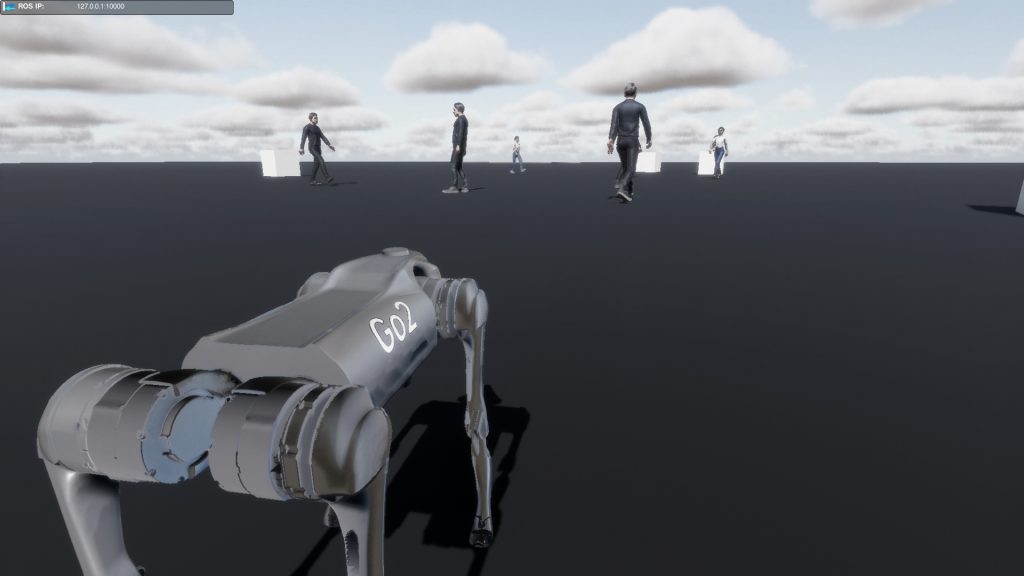
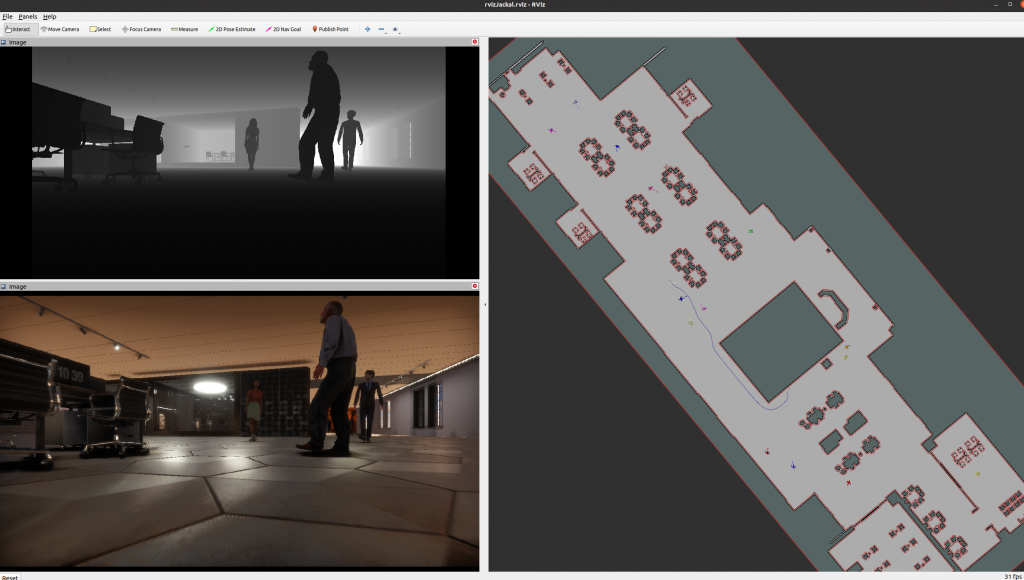
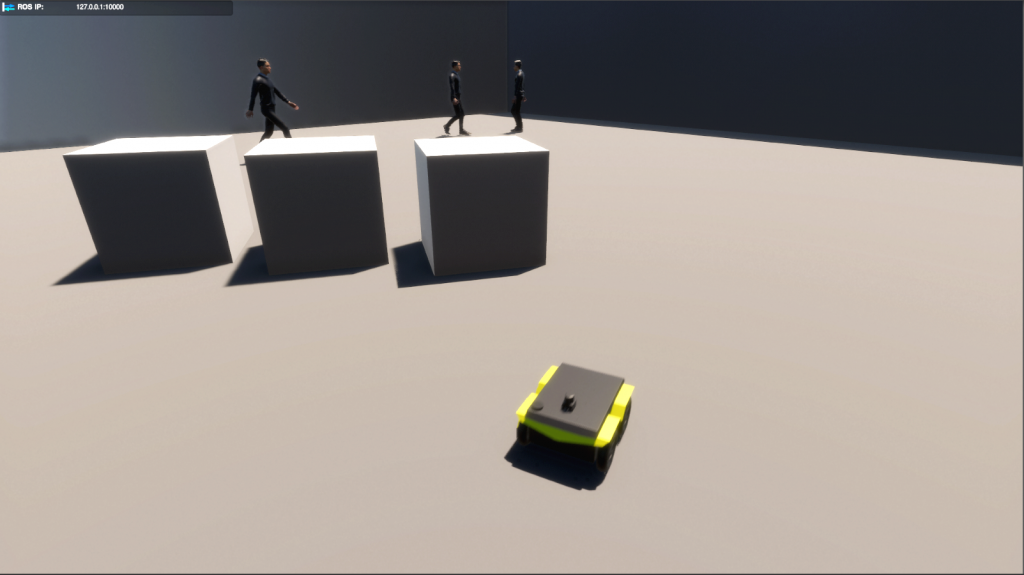
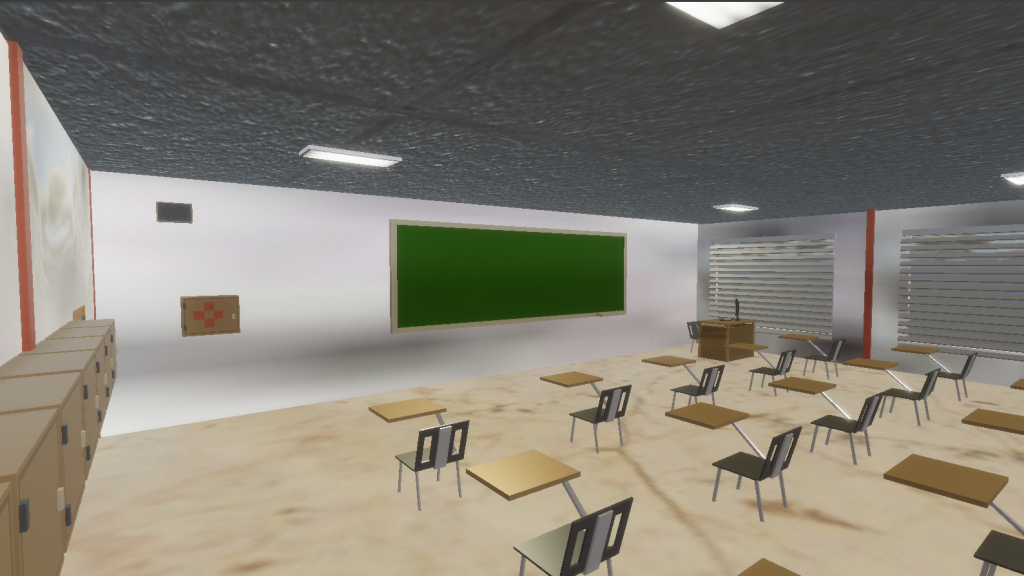
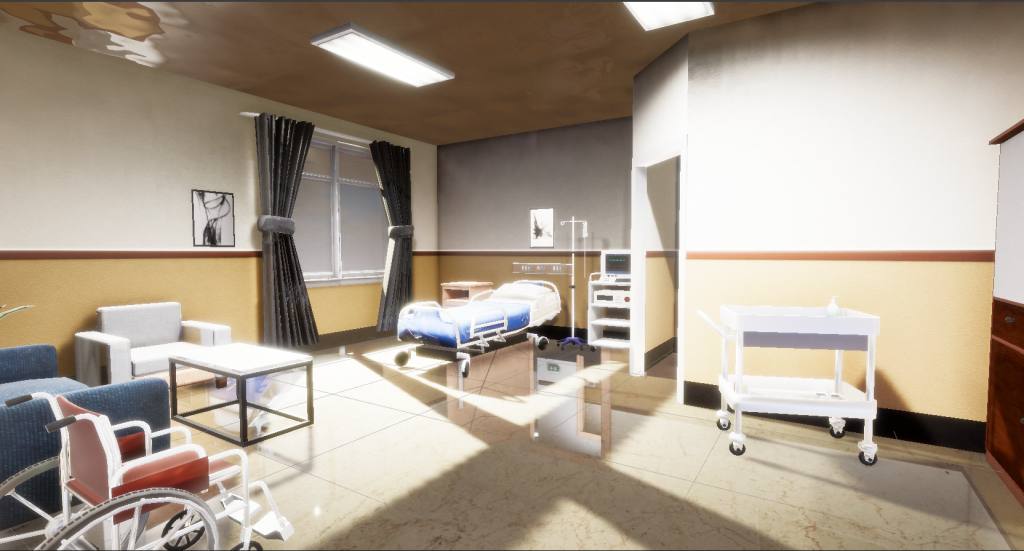
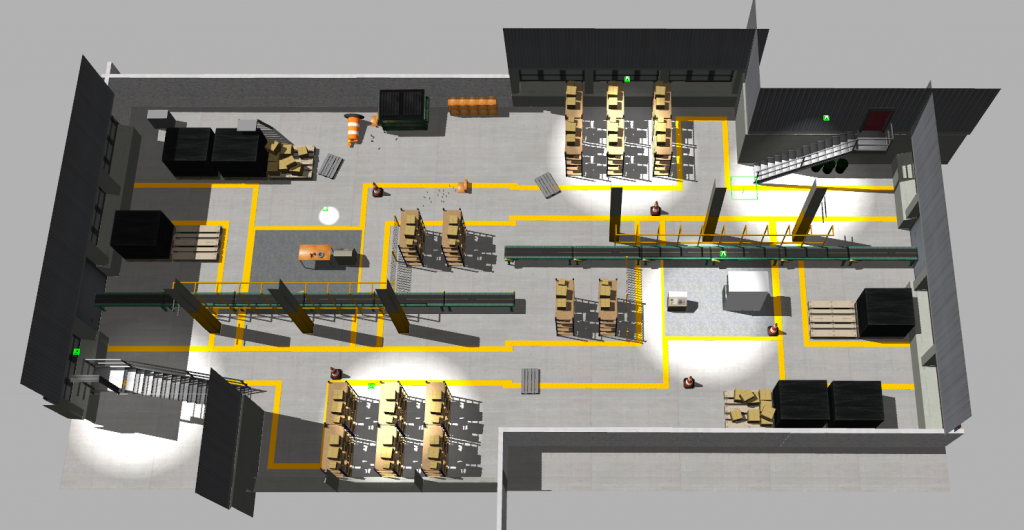
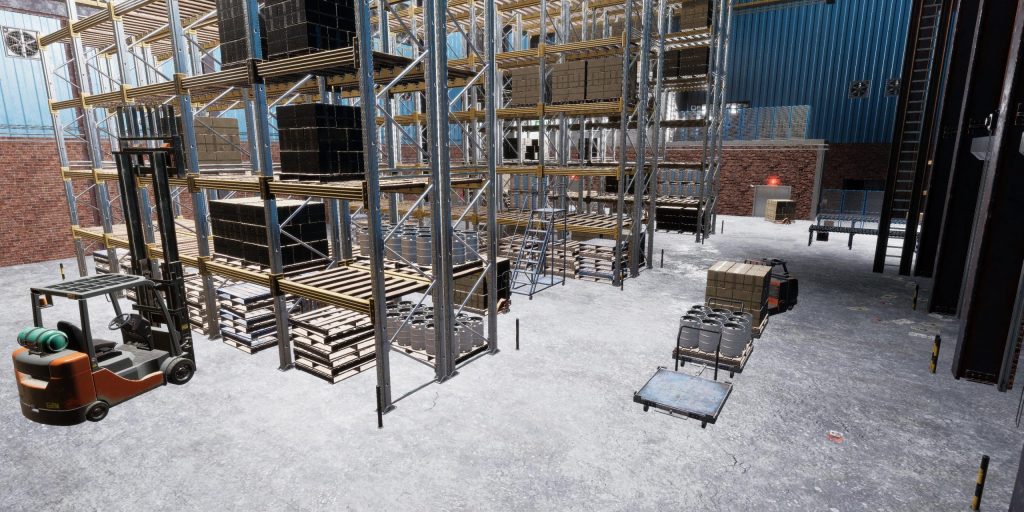
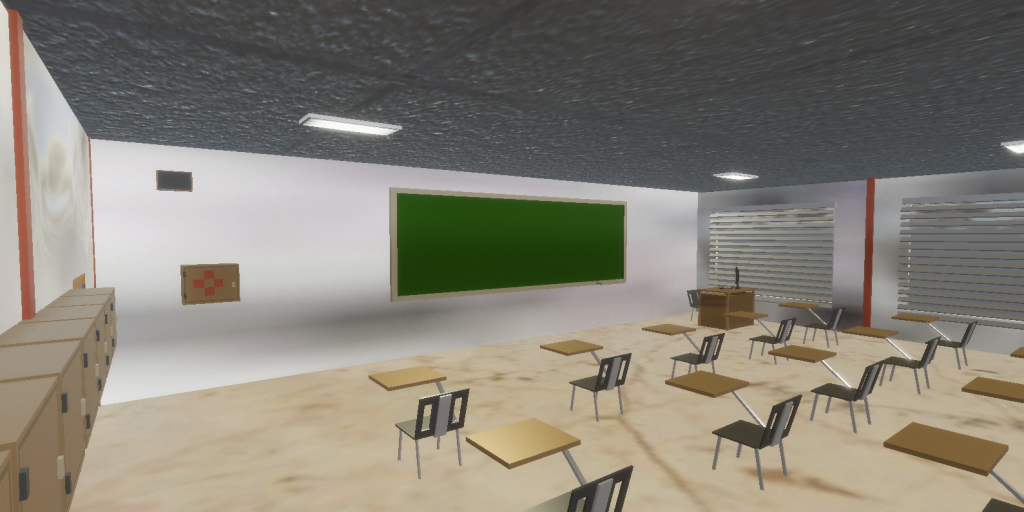
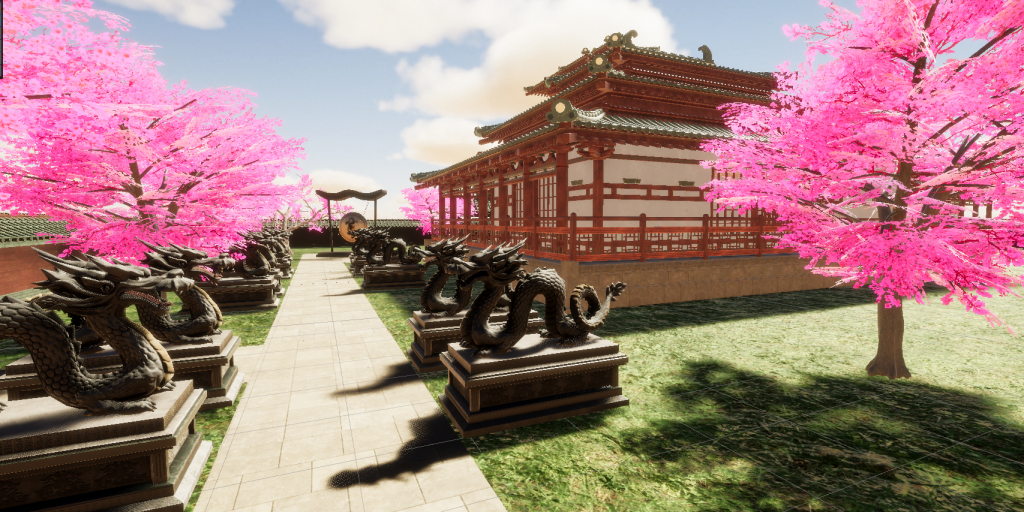
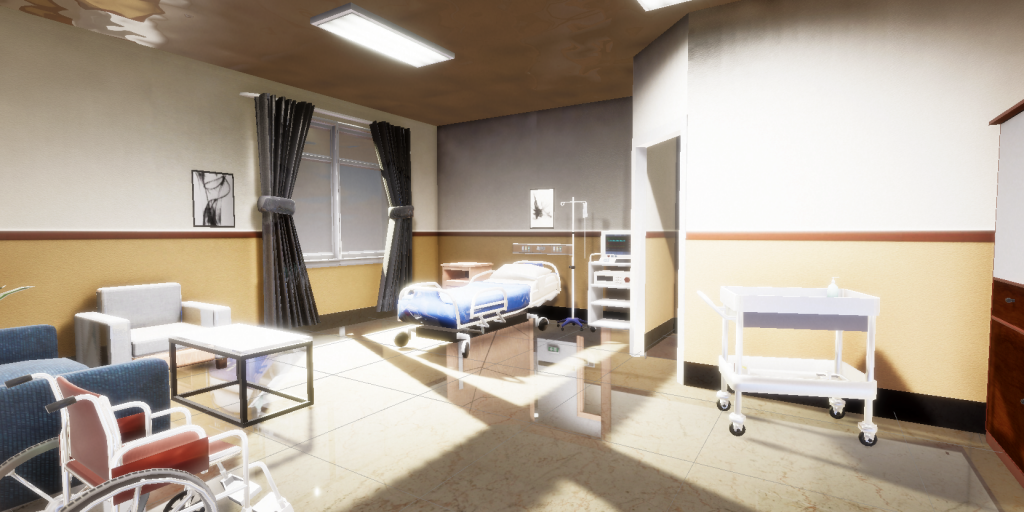
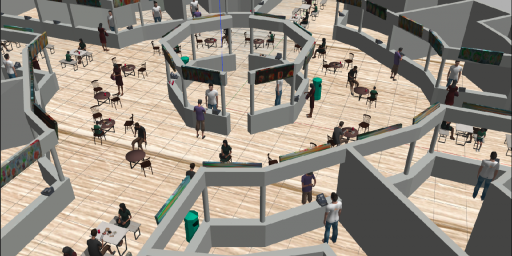
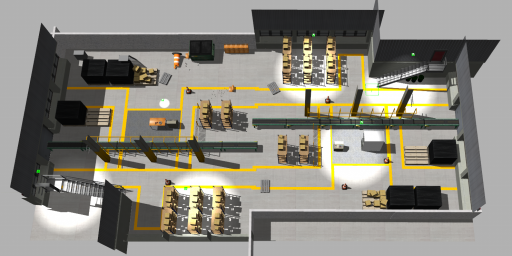
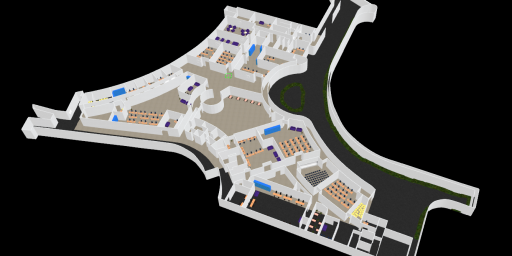
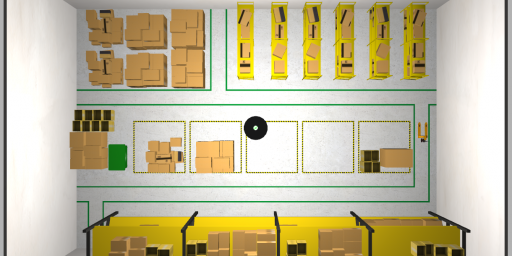
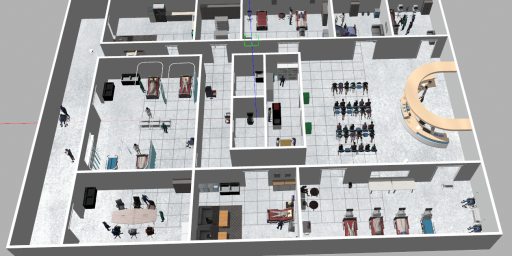
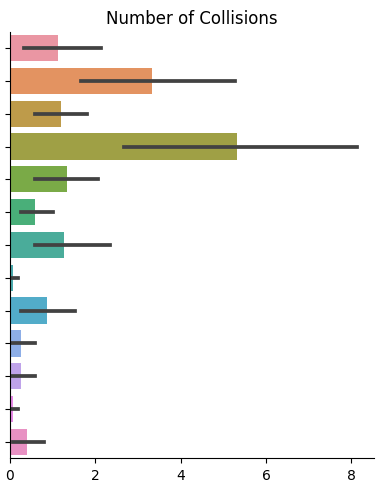
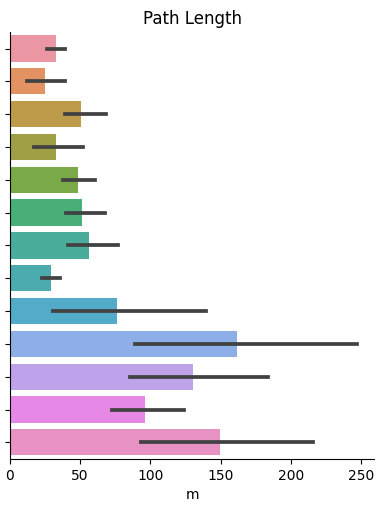
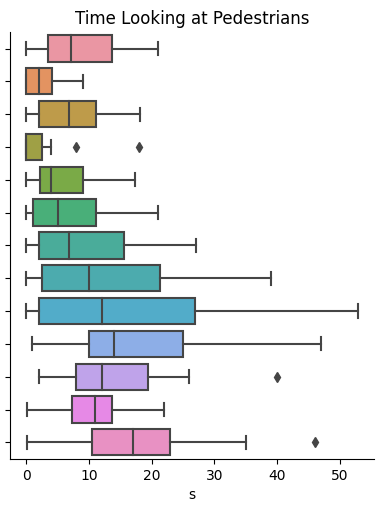
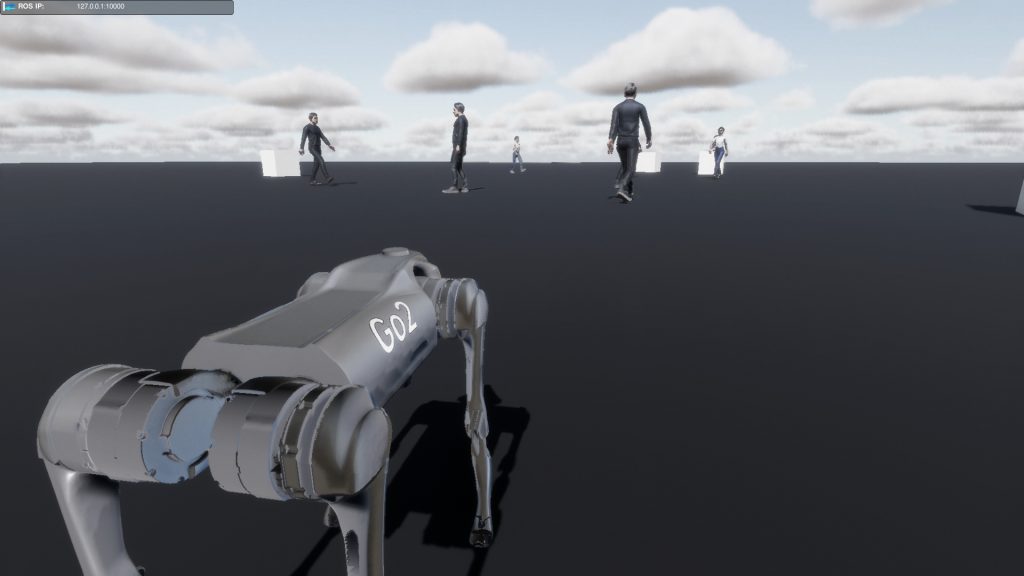
Building on the foundations of our previous work, this paper introduces Arena 4.0, a significant advancement over Arena 3.0, Arena-Bench, Arena 1.0, and Arena 2.0. Arena 4.0 offers three key novel contributions: (1) a generative-model-based world and scenario generation approach that utilizes large language models (LLMs) and diffusion models to dynamically generate complex, human-centric environments from text prompts or 2D floorplans, useful for the development and benchmarking of social navigation strategies; (2) a comprehensive 3D model database, extendable with additional 3D assets that are semantically linked and annotated for dynamic spawning and arrangement within 3D worlds; and (3) a complete migration to ROS 2, enabling compatibility with modern hardware and enhanced functionalities for improved navigation, usability, and easier deployment on real robots. We evaluated the platform's performance through a comprehensive user study, demonstrating significant improvements in usability and efficiency compared to previous versions. Arena 4.0 is openly available at https://github.com/Arena-Rosnav.
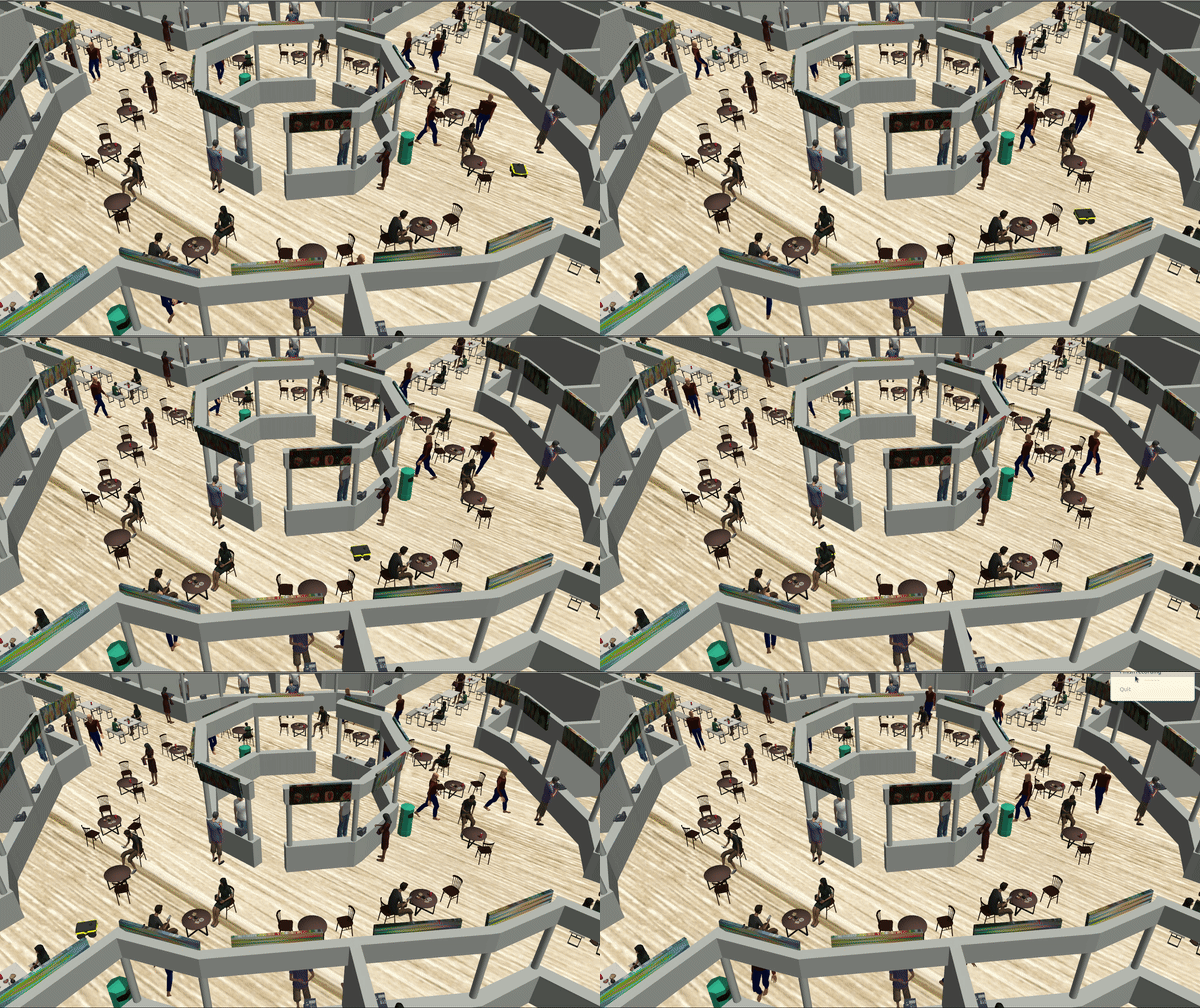
One-click process for benchmarking a competition of











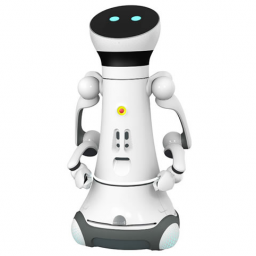
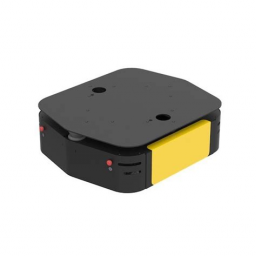
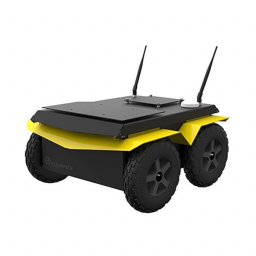
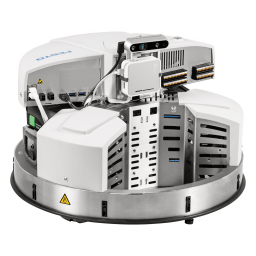
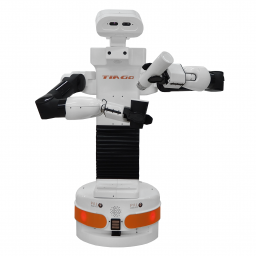
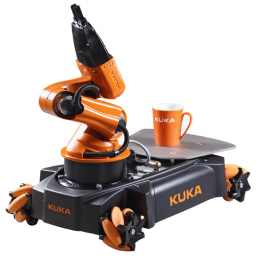
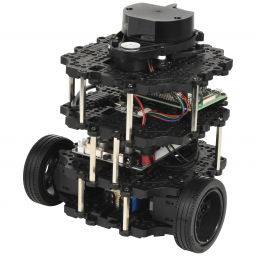
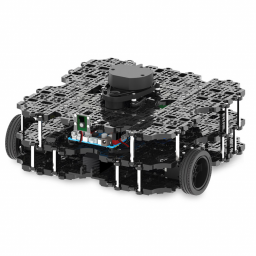
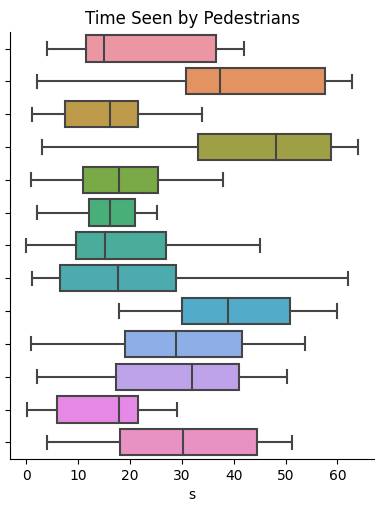
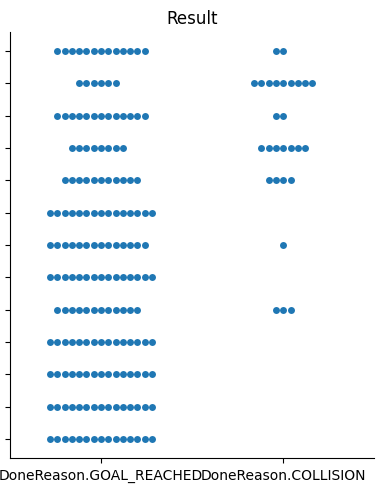
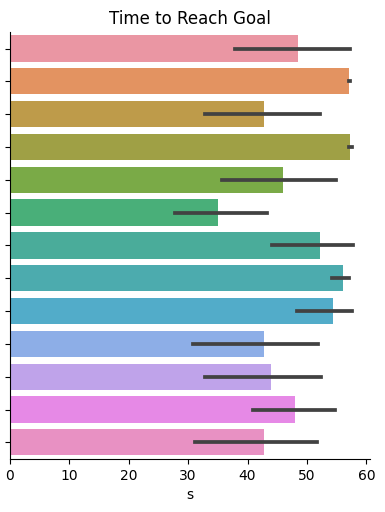
In today's dynamic environments, traditional planning methods often struggle to adapt, while Deep Reinforcement Learning (DRL) shows promise in obstacle avoidance but faces challenges in long-range navigation due to local minima.
That's where we come in. We recognize the importance of combining the strengths of both traditional planning methods and DRL-based approaches to create a robust and efficient navigation system. Our platform offers a comprehensive framework that seamlessly integrates these two paradigms, providing you with the tools and resources needed to train and test deep reinforcement learning algorithms alongside classic methods.
@misc{shcherbyna2024arena4,
  title={Arena 4.0: A Comprehensive ROS2 Development and Benchmarking Platform for Human-centric Navigation Using Generative-Model-based Environment Generation},
  author={Volodymyr Shcherbyna and Linh K{\"a}stner and Diego Diaz and Huu Giang Nguyen and Maximilian Ho-Kyoung Schreff and Tim Lenz and Jonas Kreutz and Ahmed Martban and Huajian Zeng and Harold Soh},
  year={2024},
  eprint={2409.12471},
  archivePrefix={arXiv},
  primaryClass={cs.RO},
  url={https://arxiv.org/abs/2409.12471}
}