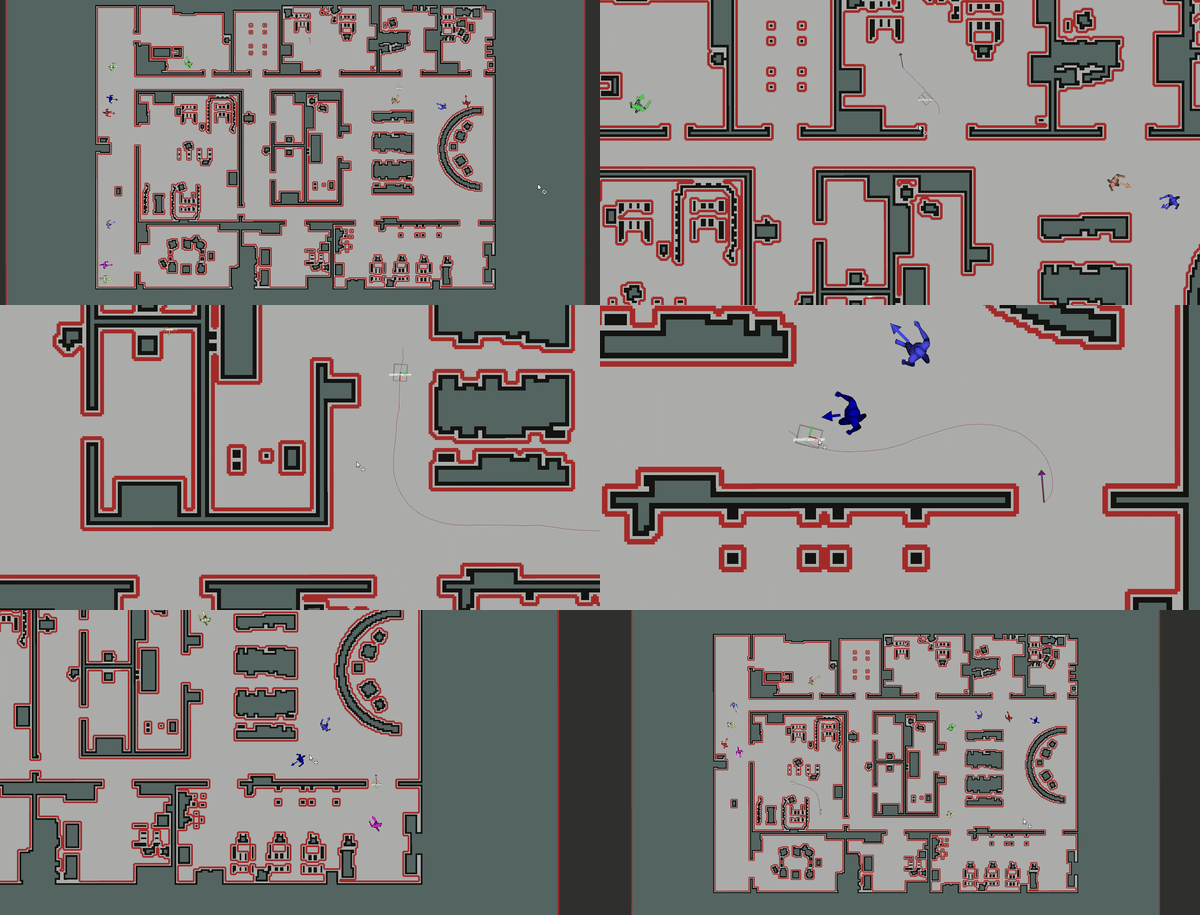
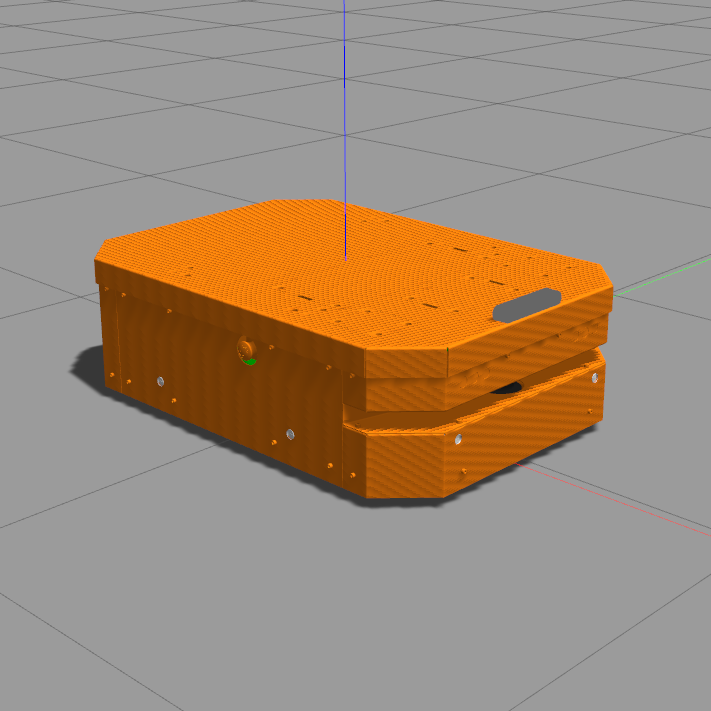
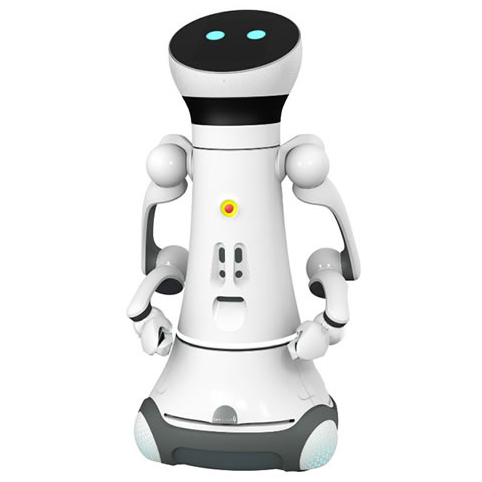
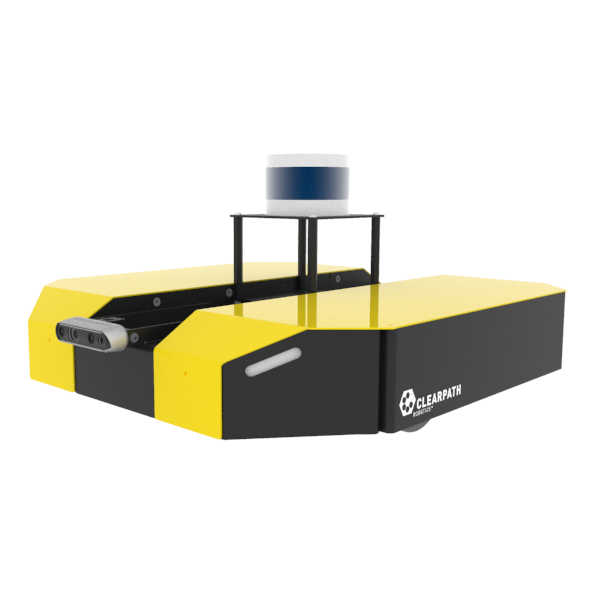
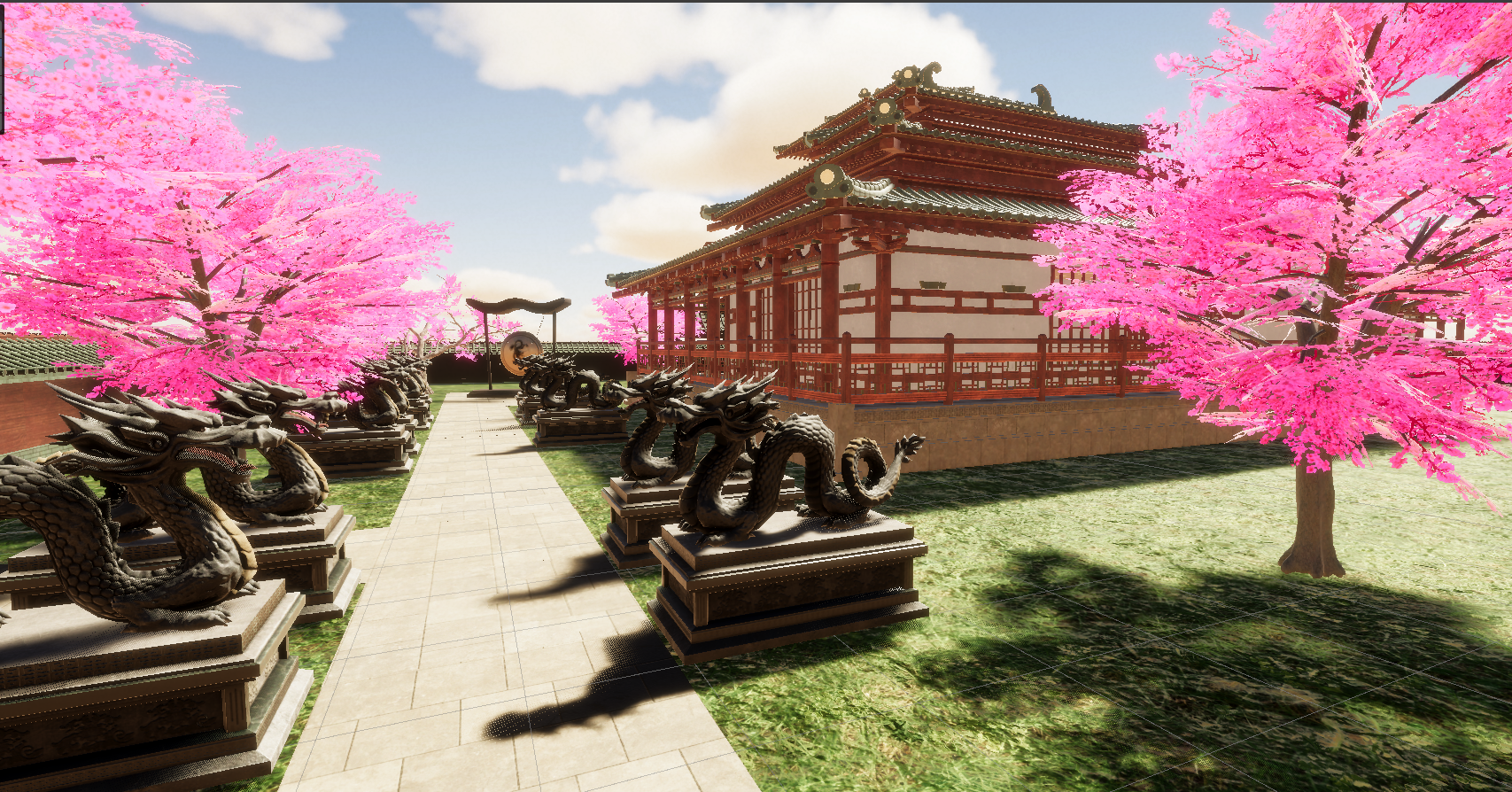
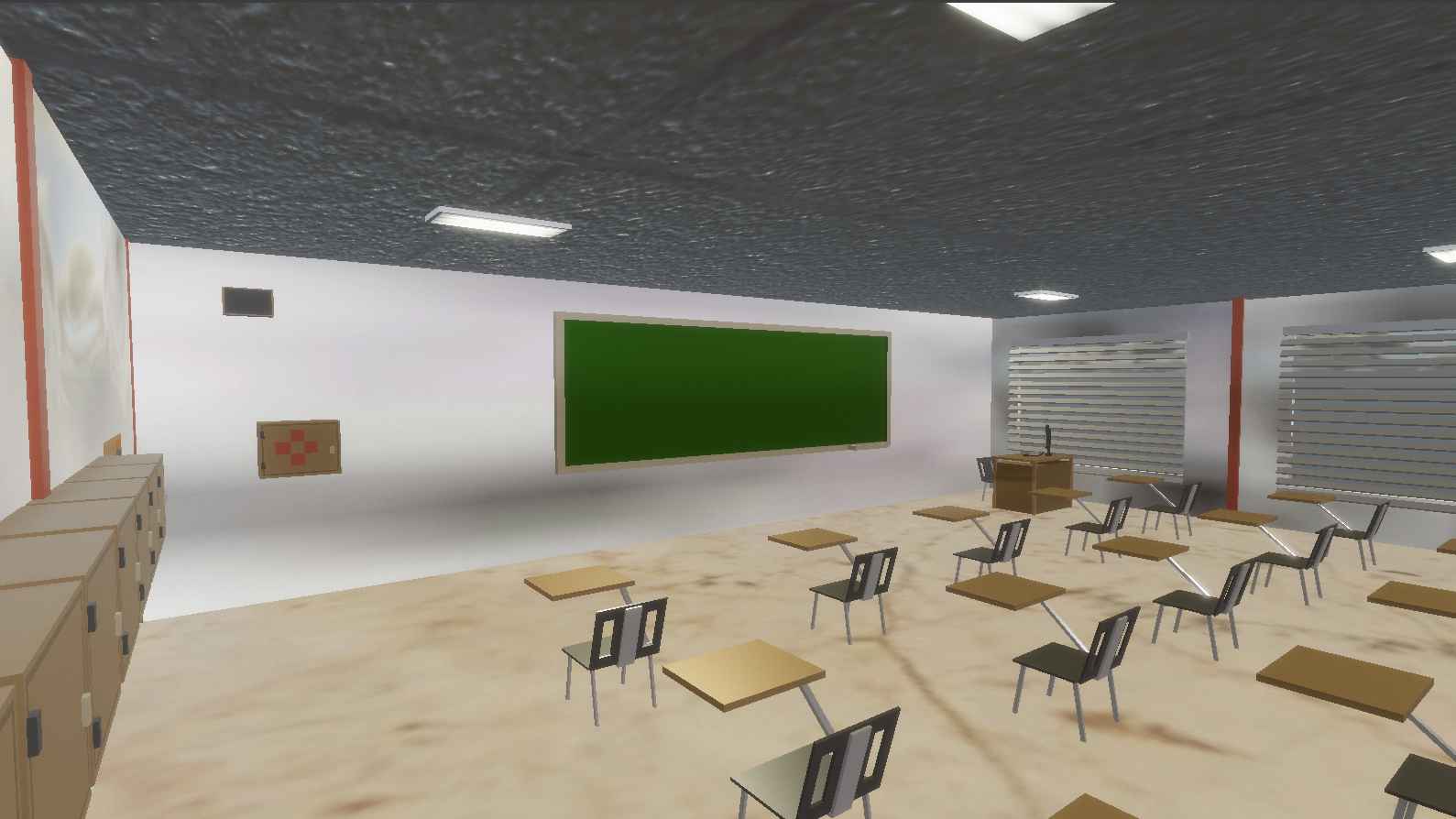
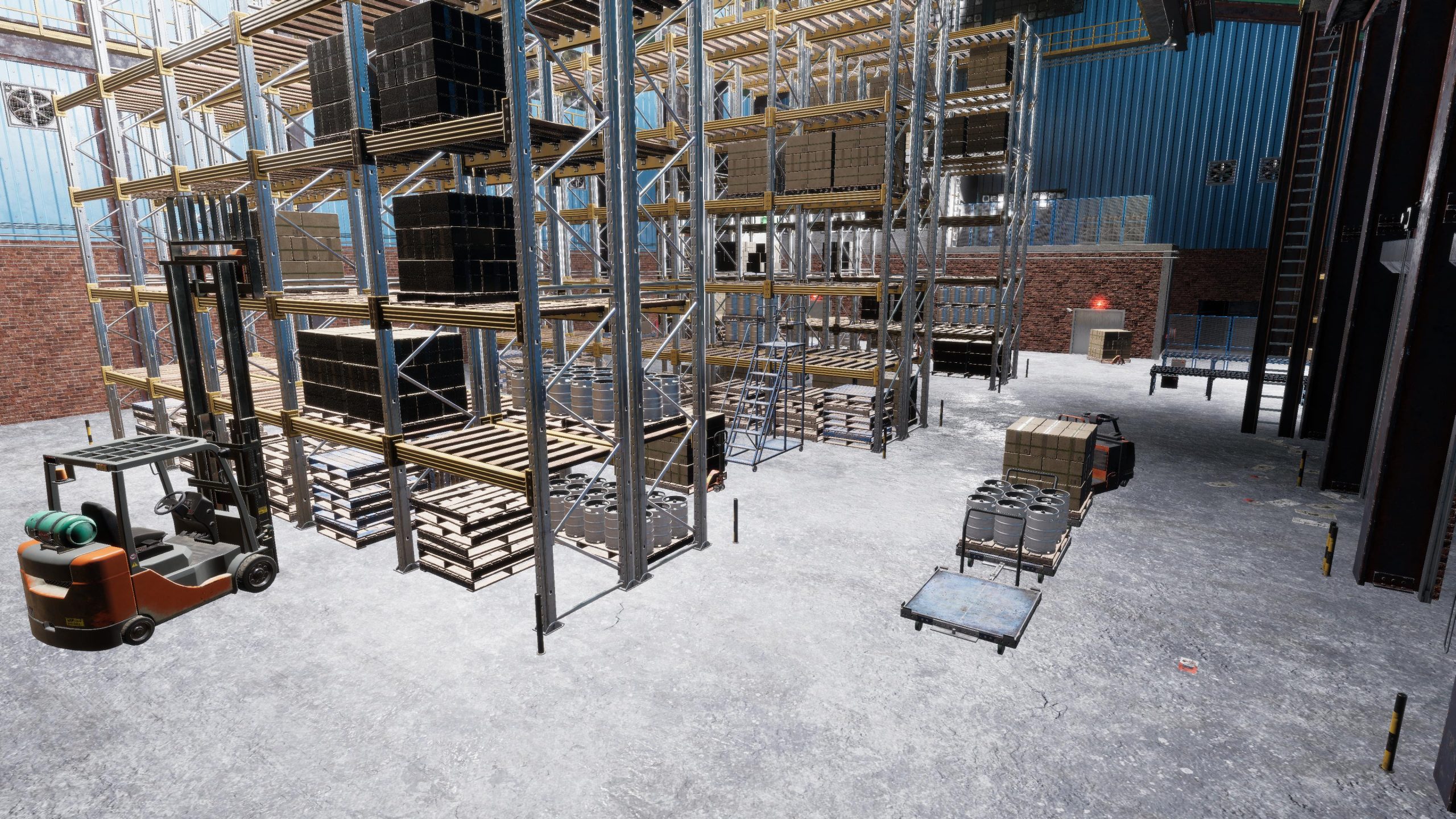
- Universal 2D/3D model database
- Easy task mode integration with Python, pre-provided:
| Task Mode | Description |
|---|---|
| scenario | static scenario file |
| random | random positions |
| parametrized | fine-tuned random |
| guided | waypoint sequence |
| explore | explore map |
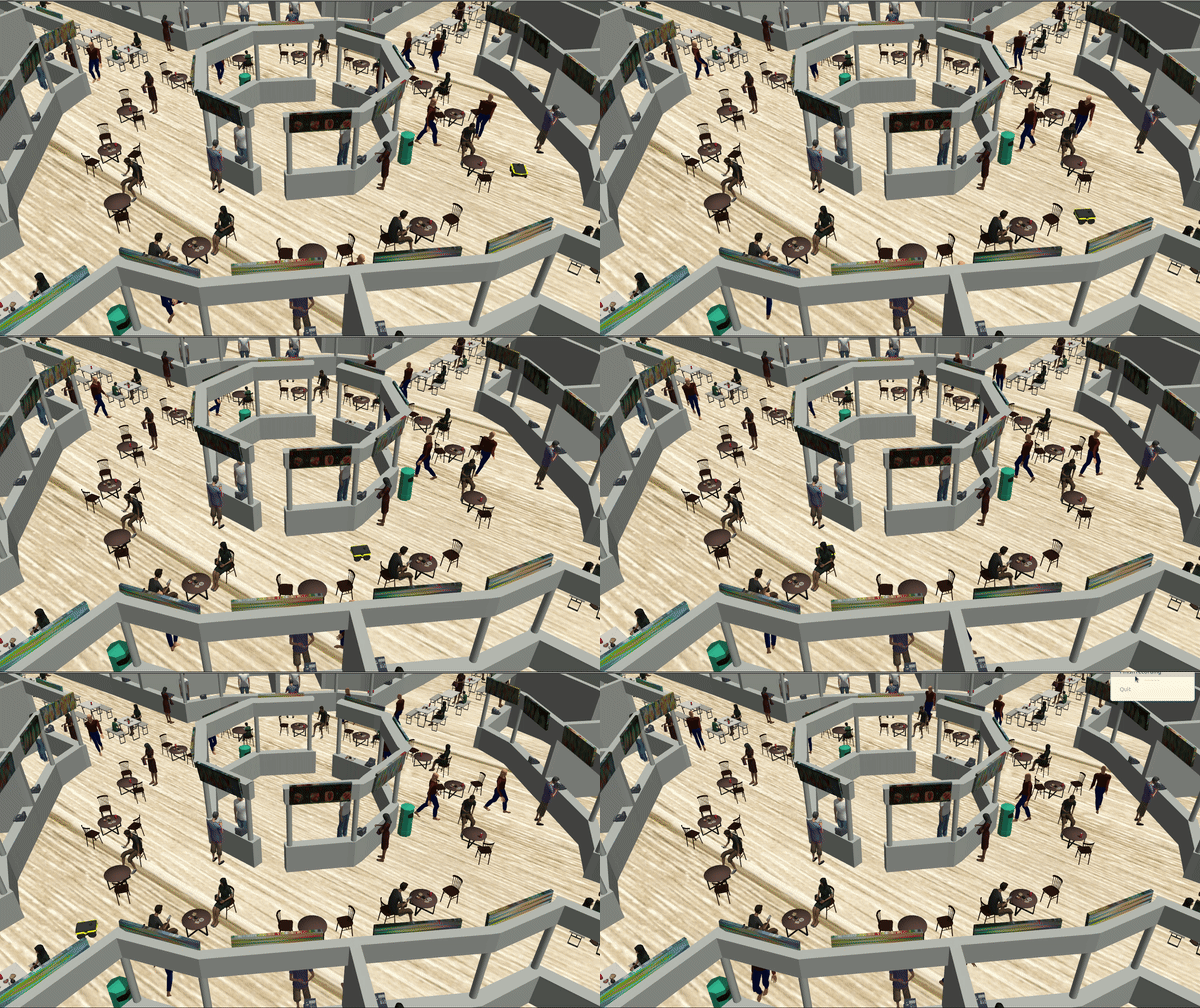
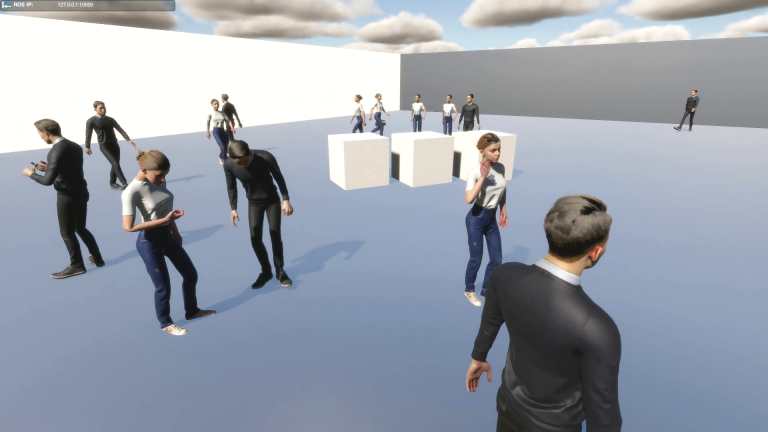
Building upon our previous contributions, this paper introduces Arena 3.0, an extension of Arena-Bench, Arena 1.0, and Arena 2.0. Arena 3.0 is a comprehensive software stack containing multiple modules and simulation environments focusing on the development, simulation, and benchmarking of social navigation approaches in collaborative environments. We significantly enhance the realism of human behavior simulation by incorporating a diverse array of new social force models and interaction patterns, encompassing both human-human and human-robot dynamics. The platform provides a comprehensive set of new task modes, designed for extensive benchmarking and testing and is capable of generating realistic and human-centric environments dynamically, catering to a broad spectrum of social navigation scenarios. In addition, the platform's functionalities have been abstracted across three widely used simulators, each tailored for specific training and testing purposes. The platform's efficacy has been validated through an extensive benchmark and user evaluations of the platform by a global community of researchers and students, which noted the substantial improvement compared to previous versions and expressed interests to utilize the platform for future research and development. Arena 3.0 is openly available at https://github.com/Arena-Rosnav.
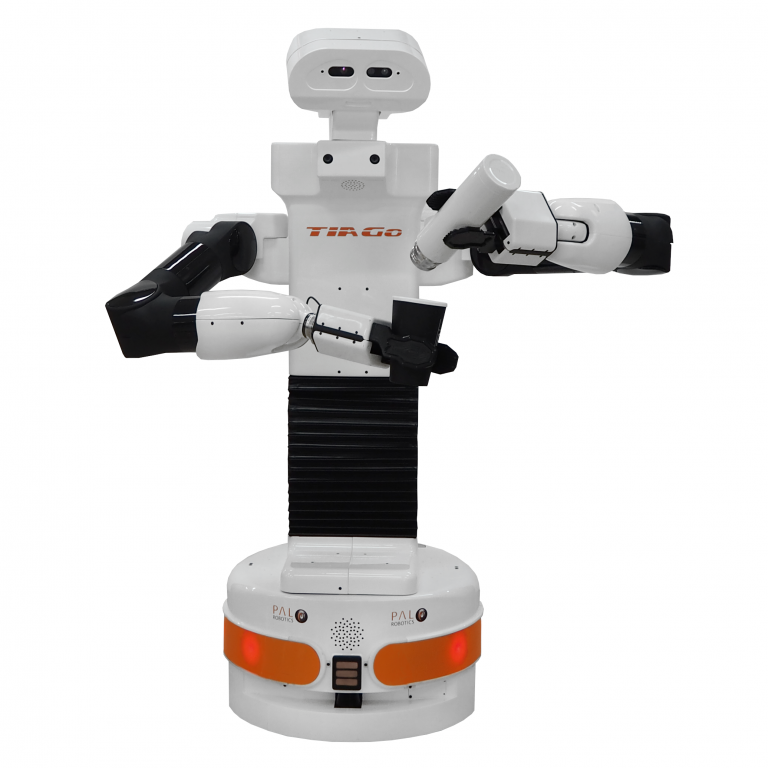
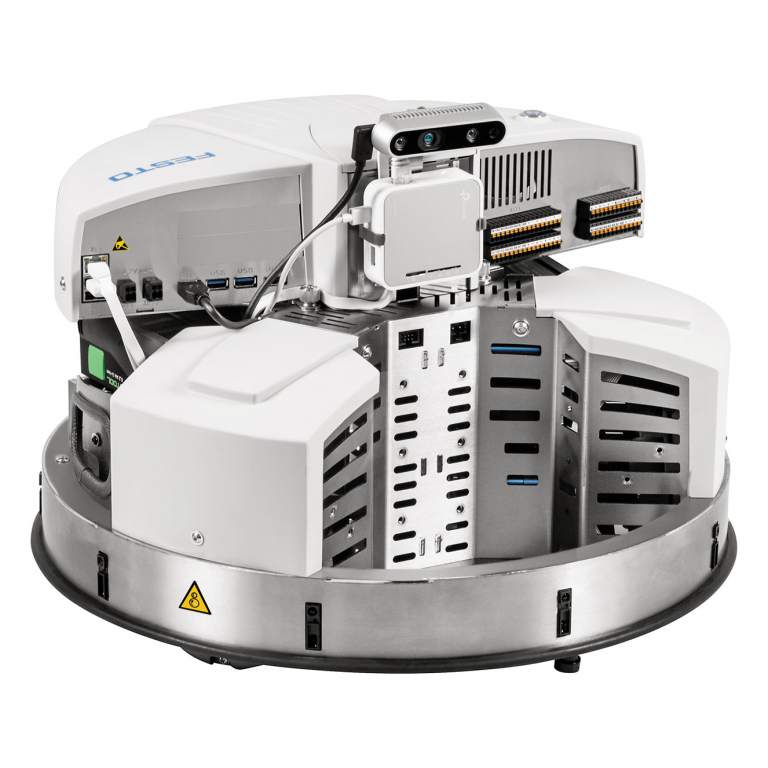
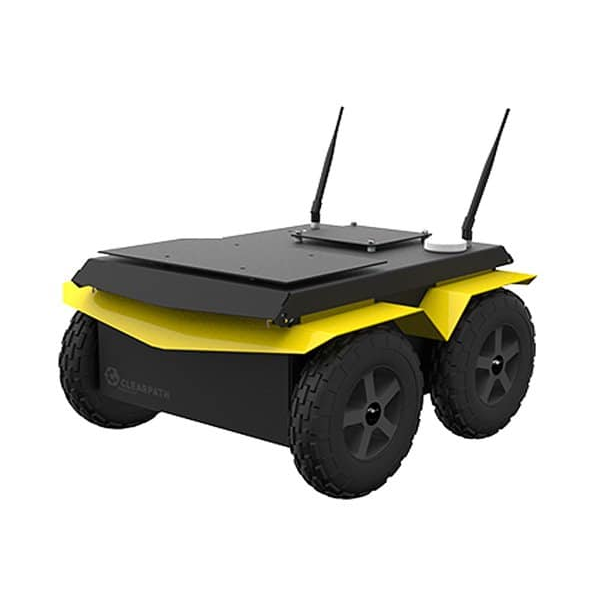
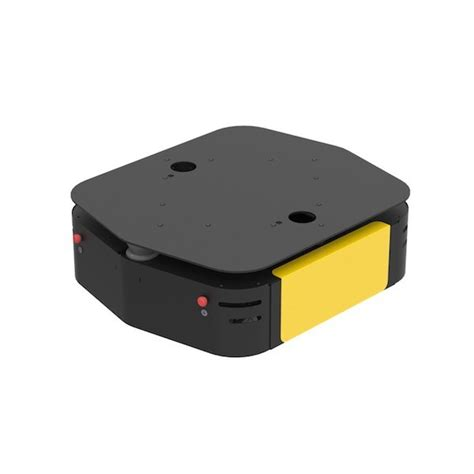
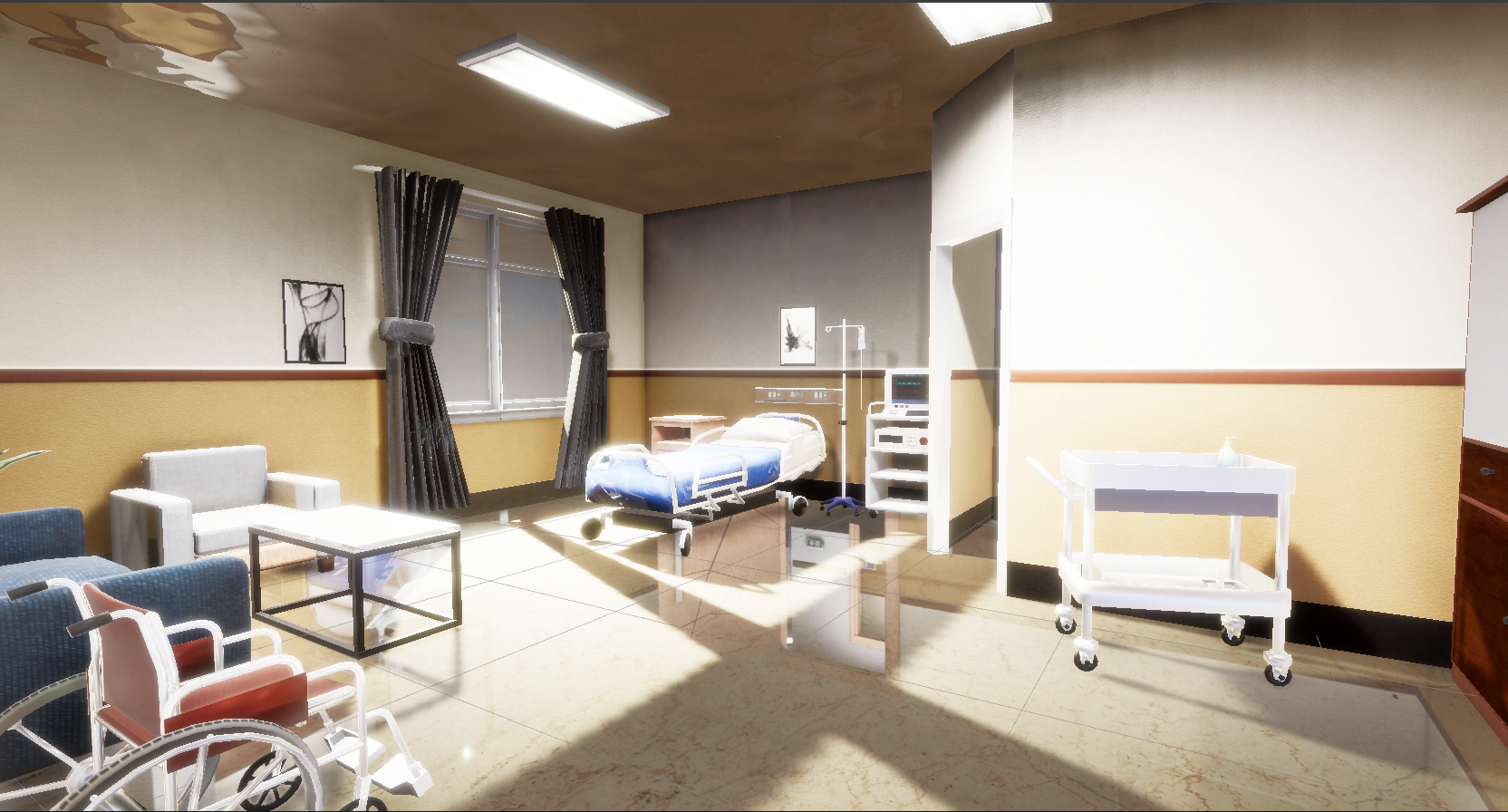
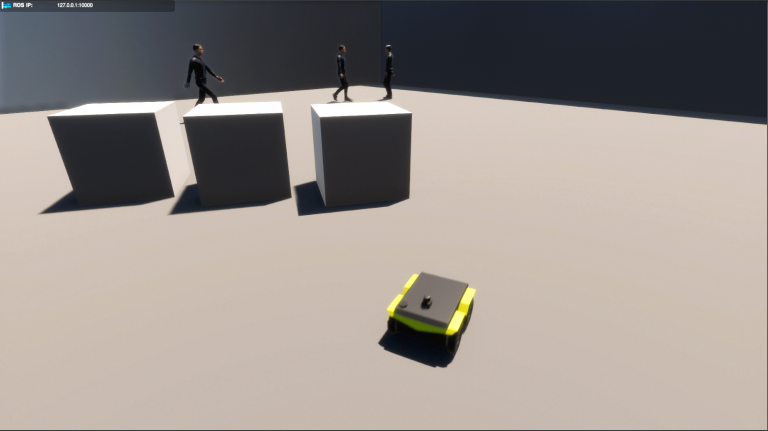
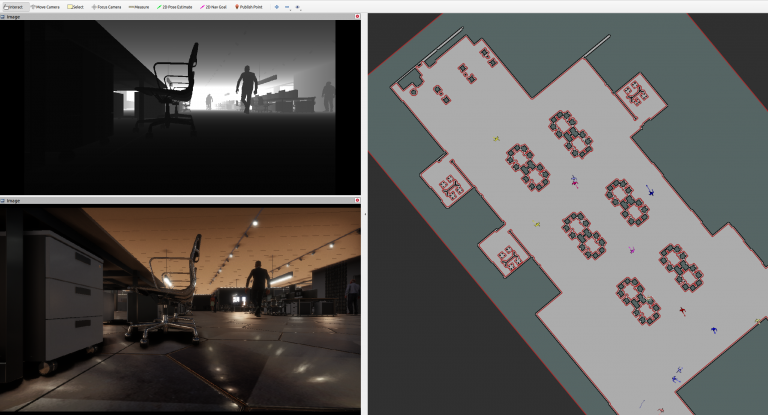
Arena Rosnav 3.0 is a platform for developing and benchmarking navigation algorithms in human-centric social environments. We offer a wide variety of different social force models, robots, planners, and world generation algorithms, and many more to use. All functions are abstracted and can be run across three widely used simulators: Flatland 2D, Gazebo, and Unity 3D. Arena Rosnav also offers a complete evaluation pipeline for benchmarking the performance of robots and planners based on standard metrics, and a training pipeline for navigational models based on DRL and PPO. With this pipeline our own DRL planner ROSNavRL was created.
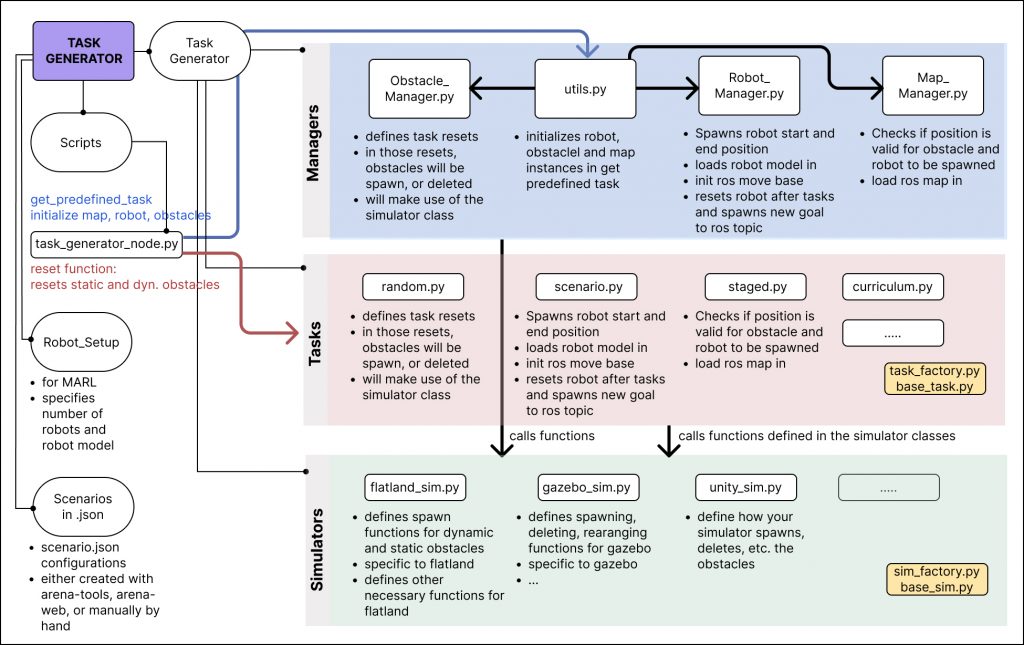
| Task Mode | Description |
|---|---|
| scenario | static scenario file |
| random | random positions |
| parametrized | fine-tuned random |
| guided | waypoint sequence |
| explore | explore map |
In today's dynamic environments, traditional planning methods often struggle to adapt, while Deep Reinforcement Learning (DRL) shows promise in obstacle avoidance but faces challenges in long-range navigation due to local minima.
That's where we come in. We recognize the importance of combining the strengths of both traditional planning methods and DRL-based approaches to create a robust and efficient navigation system. Our platform offers a comprehensive framework that seamlessly integrates these two paradigms, providing you with the tools and resources needed to train and test deep reinforcement learning algorithms alongside classic methods.
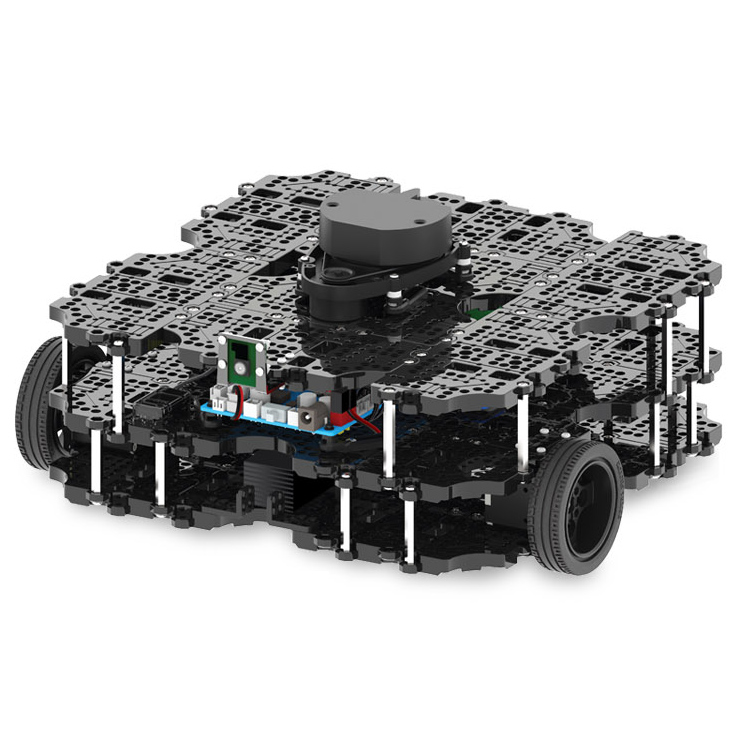
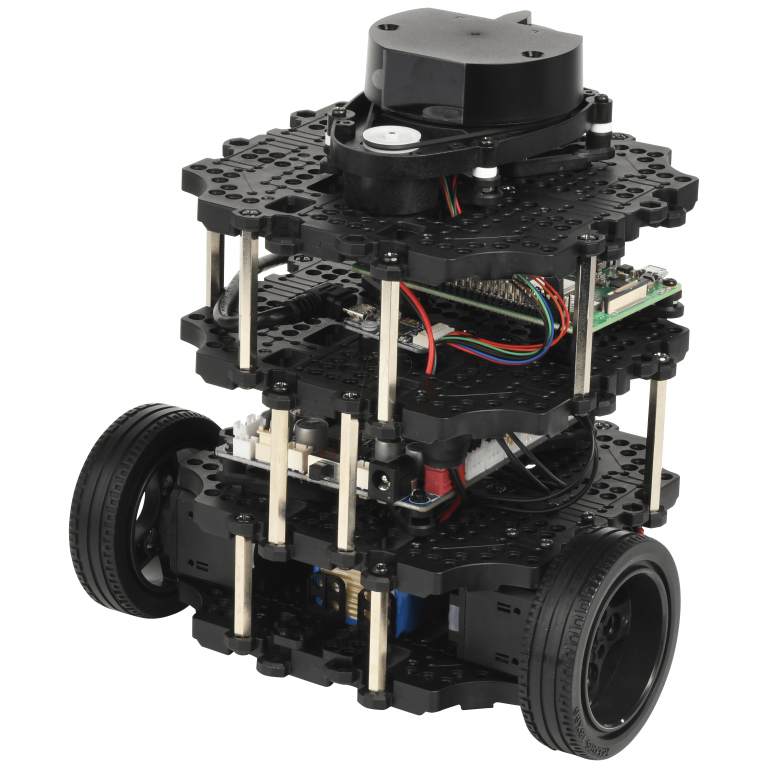
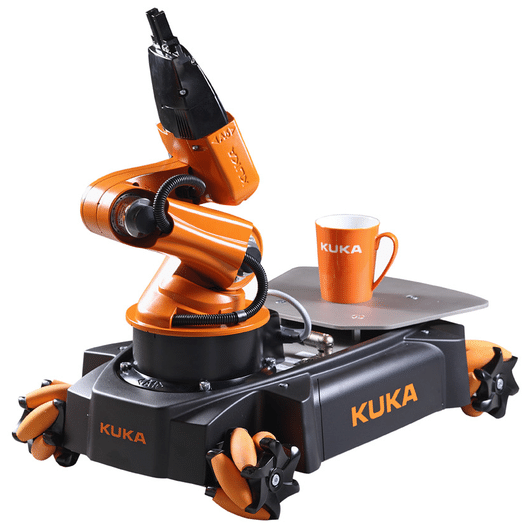
With our platform, you have the flexibility to choose from a variety of robot models and define your own Deep Neural Network (DNN) or select from predefined networks. Training is simplified through a user-friendly interface and a single config file, making the process accessible to users of all skill levels.
Furthermore, our platform supports multiprocessed rollout collection for training with debug mode, ensuring efficient training and evaluation of your navigation system. You can also enable and modify a custom training curriculum to tailor the training process to your specific requirements.
Once trained, your agent can be seamlessly deployed onto your mobile robot, ready to navigate dynamic environments with confidence. And with optional data logging, you can track the performance of your navigation system over time, ensuring continuous improvement and optimization.
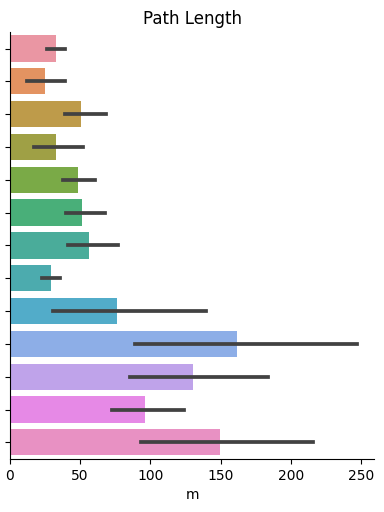
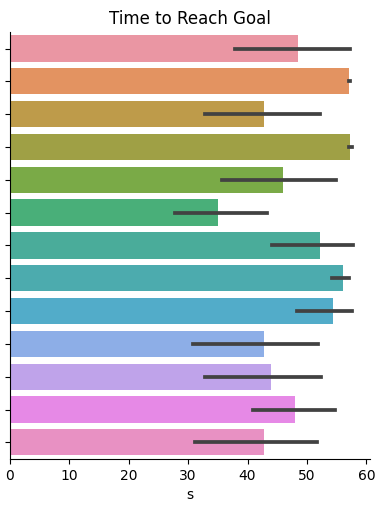
One-click process for benchmarking a competition of










@misc{kastner2024arena3,
  title={Arena 3.0: Advancing Social Navigation in Collaborative and Highly Dynamic Environments},
  author={Linh K{\"a}stner and Volodymyr Shcherbyna and Huajian Zeng and Tuan Anh Le and Maximilian Ho-Kyoung Schreff and Halid Osmaev and Nam Truong Tran and Diego Diaz and Jan Golebiowski and Harold Soh and Jens Lambrecht},
  year={2024},
  eprint={2406.00837},
  archivePrefix={arXiv},
  primaryClass={cs.RO},
  url={https://arxiv.org/abs/2406.00837}
}